Pain, the cardinal sign of inflammation, is an essential signal to the body that something is not right. Alongside swelling and redness, pain teaches the brain to recognize danger.
However, gum disease (periodontitis) patients often do not feel significant pain. The lack of pain presents challenges for dentists, who can’t meaningfully help patients until they make an office visit with advanced periodontal disease.
“Patients often seek treatment quickly for cavities – acute pain – but it’s not the same for periodontitis,” said Professor Seog Bae Oh, Director of the SNU-AFI Joint Research Center. “Sometimes, patients have serious inflammation in the gums, and they don’t feel significant pain. We are very curious about that.”
Dr. Oh led an SNU-AFI Joint Research Center team comprising expert scientists in pain and oral microbiology at the ADA Forsyth Institute and Seoul National University who recently published impactful research in Science Advances. Their findings provide a mechanistic explanation of how the periodontal pathobiont Porphyromonas gingivalis contributes to chronic inflammation, yet limited pain.
The paper’s authors included Seoul National University’s Sena Chung (first author), Doyun Kim (co-first author), Byeonggeon Koh, Yeon Kyeong Ko, Kihwan Lee, Hayun Kim, Youngnim Choi, and Seog Bae Oh; and ADA Forsyth’s Hyun Young Kim, Manda Yu, and Mary Ellen Davey. Ozge Erdogan (Harvard School of Dental Medicine), Larissa Staurengo-Ferrari and Isaac Chiu (Harvard Medical School) also contributed.
P. gingivalis is a driver of chronic inflammation in the gums. Under certain conditions, it thrives in subgingival tissue, advancing gum inflammation and releasing harmful byproducts that can potentially elicit inflammation in other body sites.
While scientists know much about how the microbe sidesteps the human immune system, much remains unknown about its modulation of pain signaling.
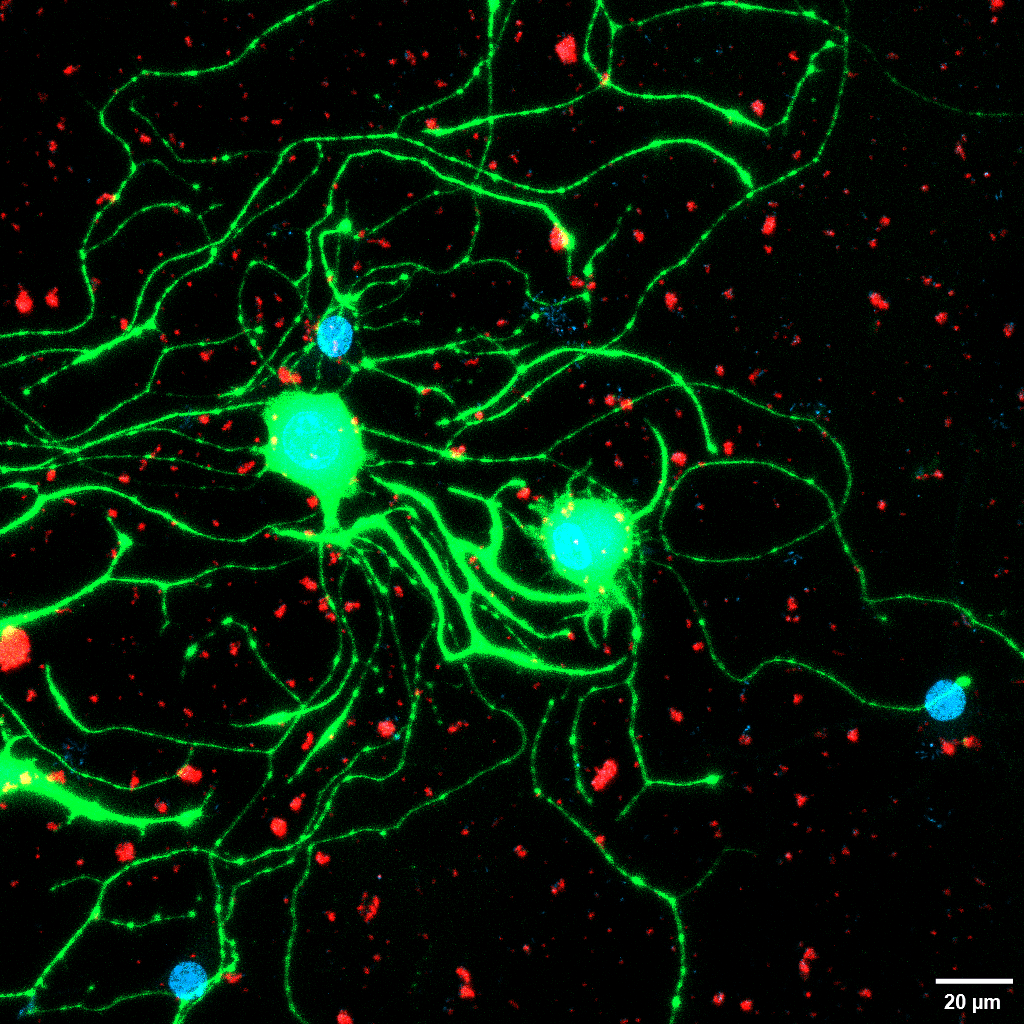
Building on emerging evidence that bacteria can interact with nociceptive neurons, the researchers demonstrate that P. gingivalis can influence peripheral nociceptor excitability under inflammatory conditions. P. gingivalis relies on adhesion to host cells to produce an analgesic, or pain-suppressing, effect. With physical contact to a host cell, it suppresses cellular responsiveness by inducing membrane hyperpolarization.
While other bacteria secrete toxins or metabolites that produce pain-suppressing effects, the researchers did not observe P. gingivalis to do so to a level that would produce a significant analgesic effect. Instead, the analgesic effect was found to require direct contact between the bacterium and the host cell. “We observe that P. gingivalis can directly talk to the sensory fiber, preventing it from passing a pain signal to the brain,” Dr. Oh said. “That may be one way it survives under periodontal conditions.”
“We are currently working to determine whether P. gingivalis delivers a specific molecule to the sensory fiber or binds a surface receptor that triggers the observed pain-suppressing effect, or both,” said Professor Davey, whose expertise on P. gingivalis helped guide the collaboration with Dr. Oh’s lab studying pain.
A more detailed mechanistic description of how P. gingivalis evades pain receptors assists scientists with developing strategies for more effective, non-opioid treatments for pain or periodontal treatment.


