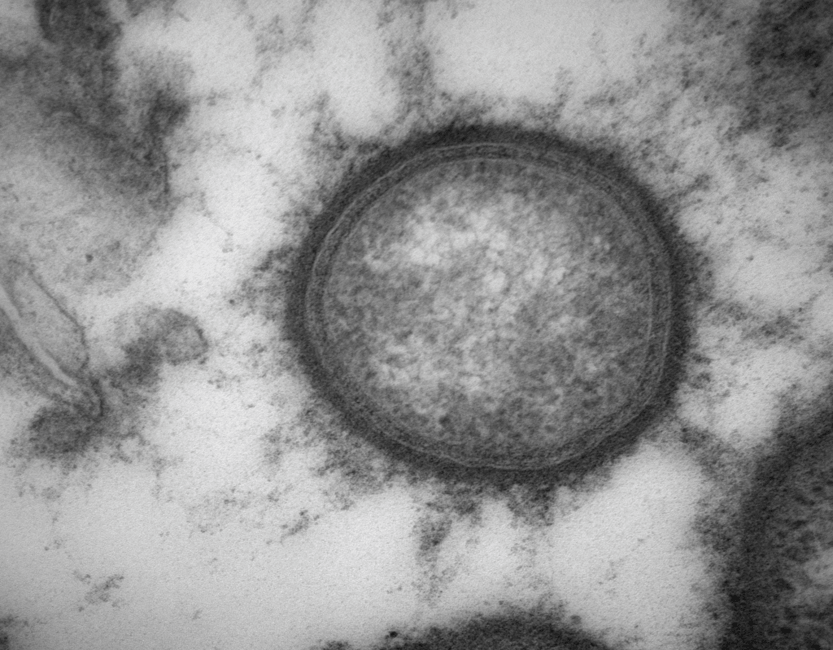
Porphyromonas gingivalis, an oral microbe notorious for its role in the progression of gum disease, is one of the most studied members of the human oral microbiome.
A new ADA Forsyth Institute study begins knocking down another domino in recognizing P. gingivalis’ ability to forge its niche below the gum line, contributing to periodontitis progression, chronic infection, and ultimately, an effect on systemic health.
The paper, published in the Journal of Oral Microbiology, demonstrates that P. gingivalis uses sphingolipids – unique membrane lipids that play a multifaceted role in its survival and stress responses – to evade neutrophils, which represent the body’s initial inflammatory response to bacterial attacks.
“Previous studies showed that sphingolipid-carrying outer membrane vesicles (OMVs) released by P. gingivalis can limit the inflammatory response of macrophages, and now we have shown for the first time that the response by neutrophils is also limited when sphingolipid-containing OMVs are produced,” said Prof. Alpdogan Kantarci, D.D.S., Ph.D., C.A.G.S, who led the study alongside ADA Forsyth Professor Mary Ellen Davey, Ph.D., and lead author Dr. Fatma Oner, D.D.S, Ph.D.
Dr. Kantarci is an ADA Forsyth adjunct faculty member who currently serves as a professor at the University of Minnesota School of Dentistry.
P. gingivalis and neutrophils
Many anaerobic bacteria living below the gum line belong to the phylum Bacteroidota. These bacteria, including P. gingivalis, produce a variety of host-like lipids called sphingolipids.
Neutrophils — often considered the “first responders” of our innate immune response — are called into action in response to P. gingivalis. If the neutrophil response fails to sense sphingolipids, the adaptive immune response kicks in, worsening the inflammation that perpetuates tissue destruction in periodontal disease.
“The neutrophil is a key component in studying periodontitis,” Dr. Davey said. “Our approach combined the extensive research we’ve conducted on P. gingivalis sphingolipids with Dr. Kantarci’s expertise on neutrophils, and we were able to provide further support that the production of sphingolipids helps the microbe evade host immunity.”
For a previous study, Dr. Davey’s research team created a mutant P. gingivalis strain that is unable to synthesize sphingolipids. In comparing the neutrophil response to the mutant strain with that of the wild-type control, they found that sphingolipid synthesis enables P. gingivalis to evade the neutrophil response as it establishes its niche in the gums.
Connection to systemic health
P. gingivalis‘ survival can send yet more harmful ripple effects throughout the body, with its OMVs acting as nano-sized “microbullets.” These bullets release from P. gingivalis membranes and disperse pathogenic effects into surrounding tissues and the vascular system, ultimately having far-reaching effects.


